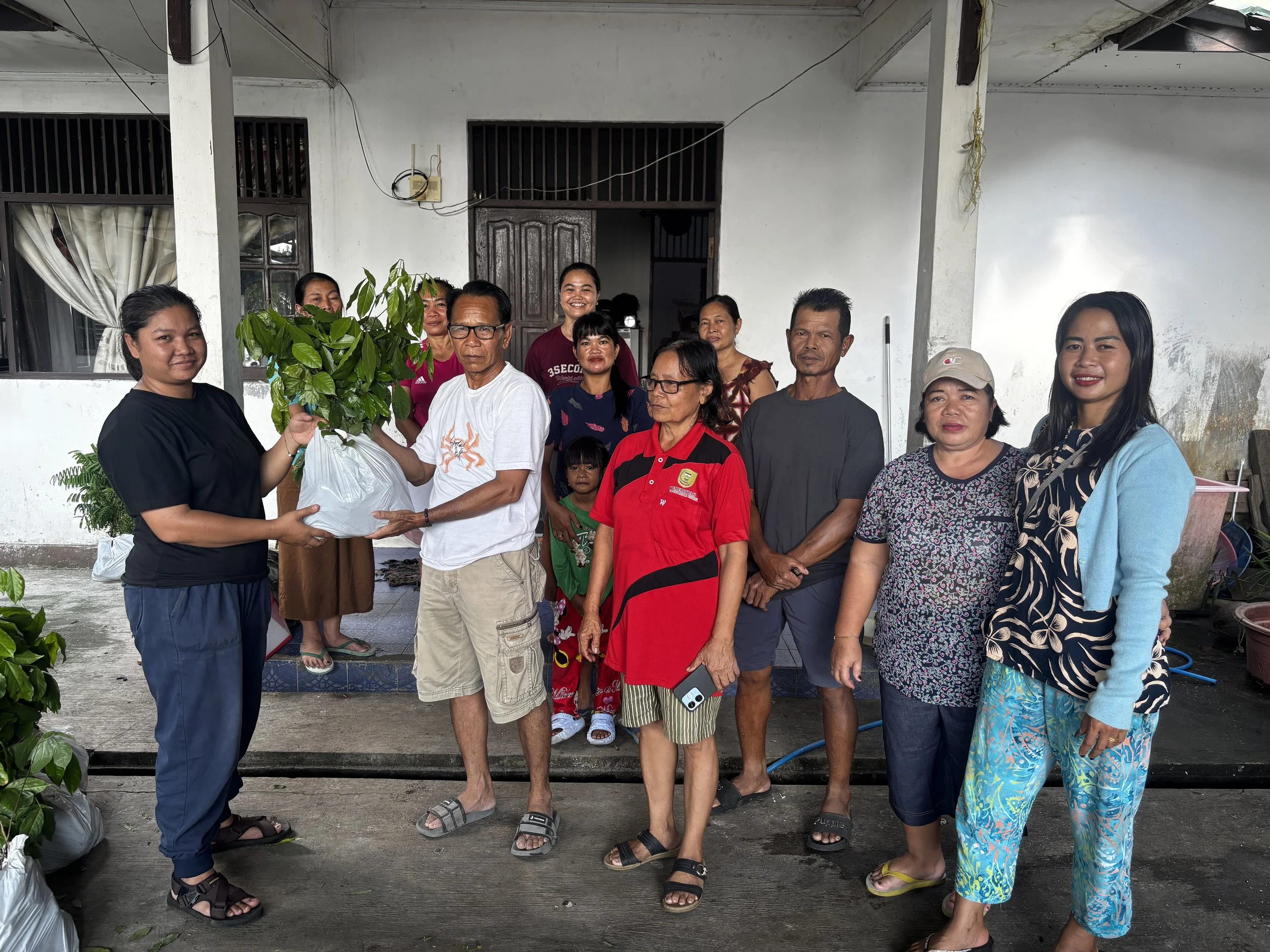
Bawan, Central Kalimantan – Ranu Welum Foundation, through The Heartland Project, has distributed 9,000 jengkol and stink bean (petai) tree seedlings to communities in three villages within the service area of the Evangelical Church of Kalimantan (GKE) Bawan Parish: Bawan Village, Tumbang Tarusan Village, and Pangi Village. The initiative is part of a broader effort to restore degraded landscapes while strengthening local food security and creating sustainable livelihood opportunities.
The program was implemented in collaboration with the Tumbang Nusa Forest Area with Special Purpose (KHDTK Tumbang Nusa), reflecting a shared commitment to community-based landscape restoration. Beyond rehabilitating degraded land, the initiative promotes tree species that provide long-term economic benefits for local communities.
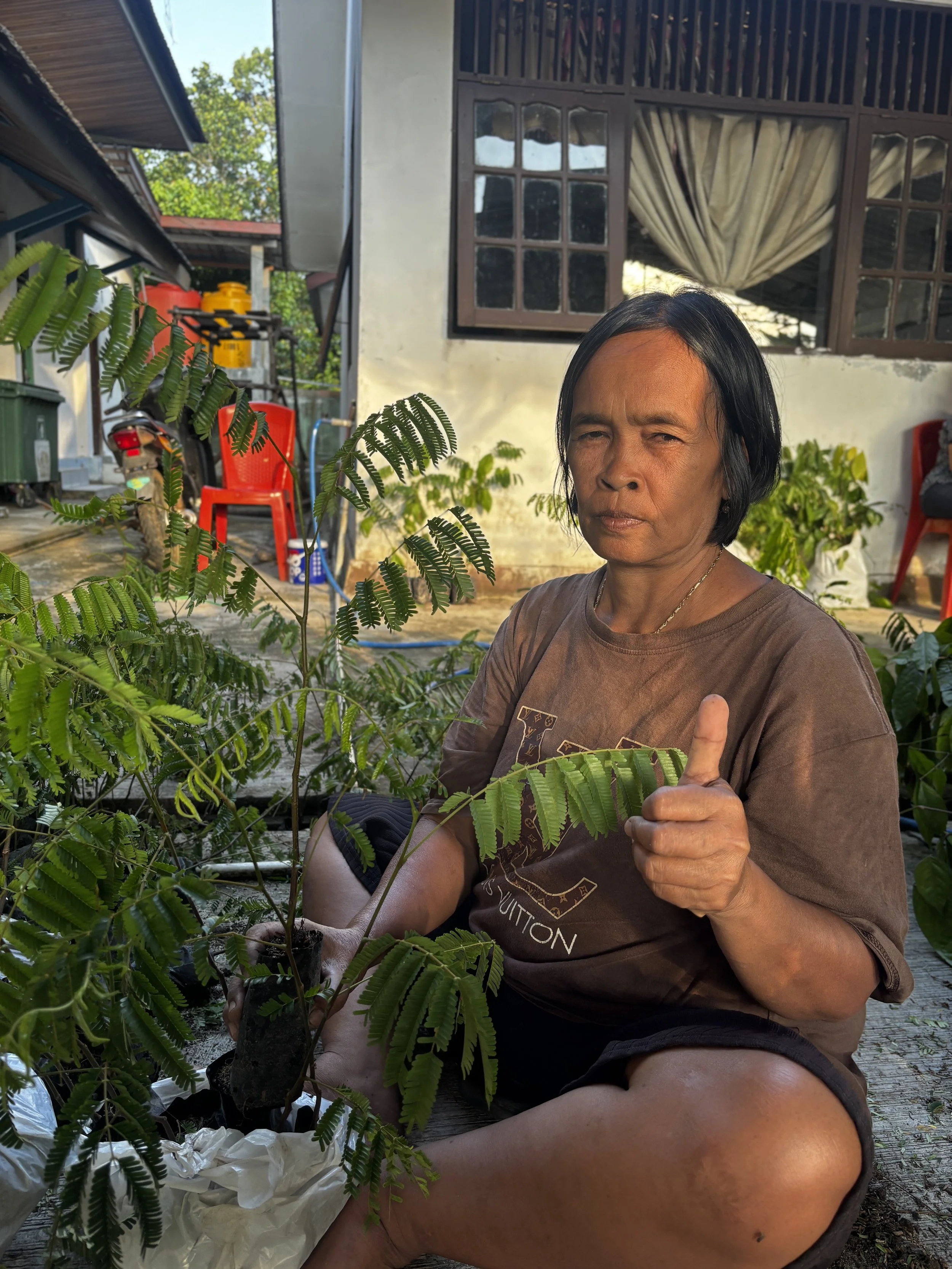
Jengkol and stink bean were selected for their ecological and economic value. In addition to improving vegetation cover and supporting healthier ecosystems, both species produce marketable crops that can generate additional household income in the future. By combining environmental restoration with livelihood improvement, the program demonstrates how nature-based solutions can contribute to both ecosystem resilience and community well-being.
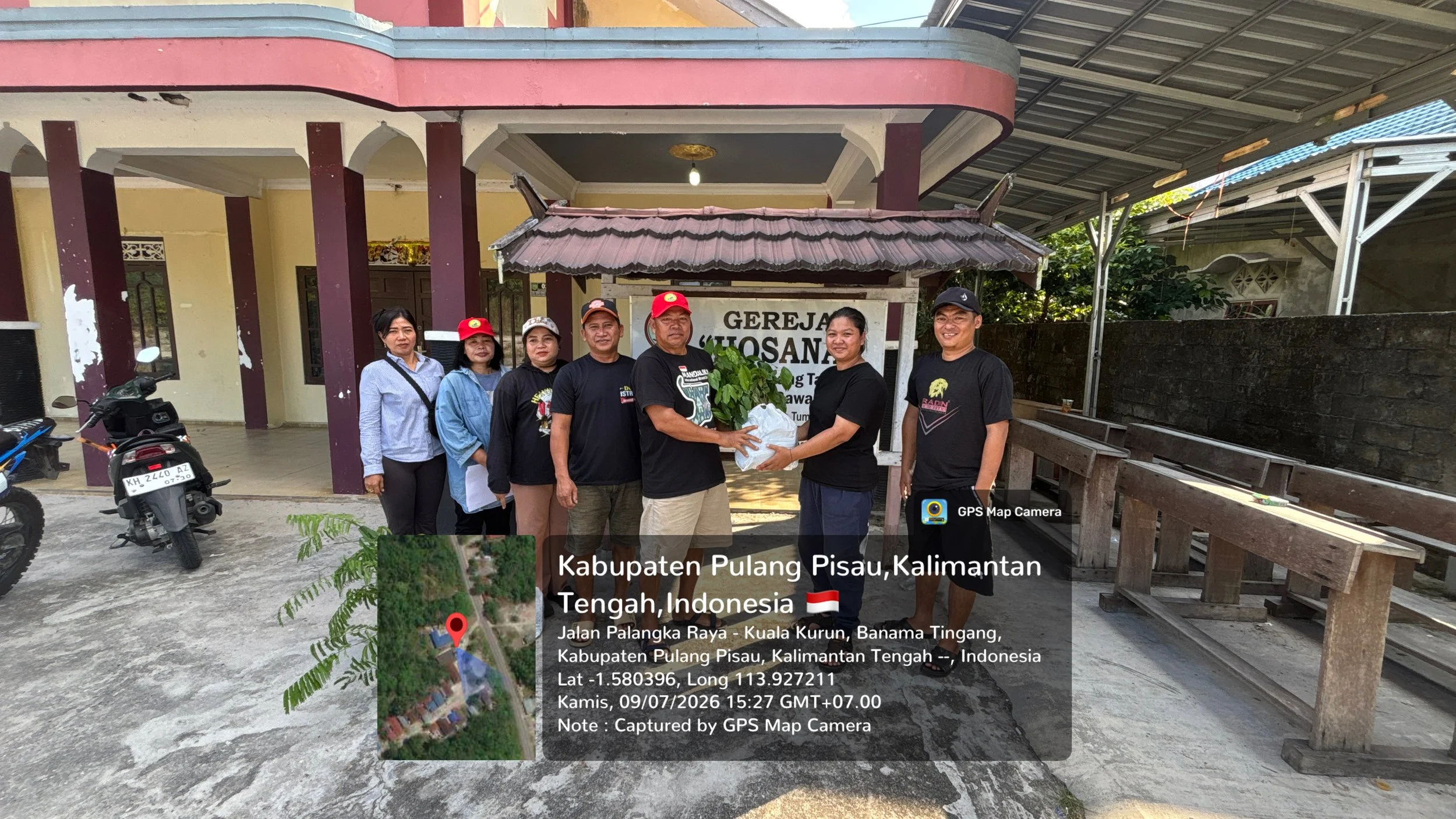
The collaboration with GKE Bawan Parish also highlights the important role of faith-based institutions in advancing sustainable natural resource management. As trusted community institutions, churches can foster collective action, encourage environmental stewardship, and mobilize communities to participate in tree planting and long-term maintenance.
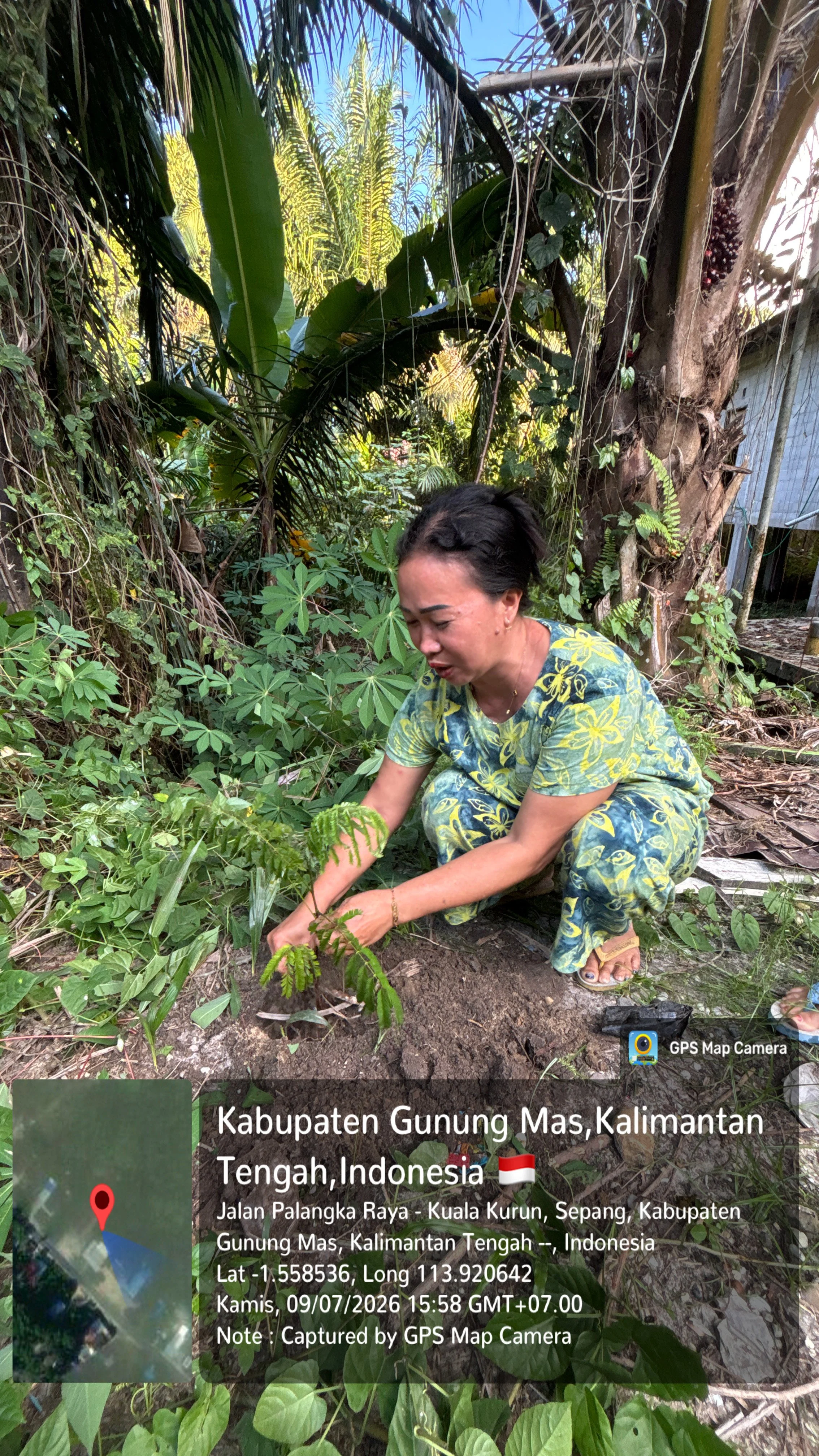
Through The Heartland Project, Ranu Welum Foundation believes that restoring landscapes is not only about planting trees, it is about strengthening partnerships, empowering communities, and investing in a healthier, more resilient future for both people and nature.