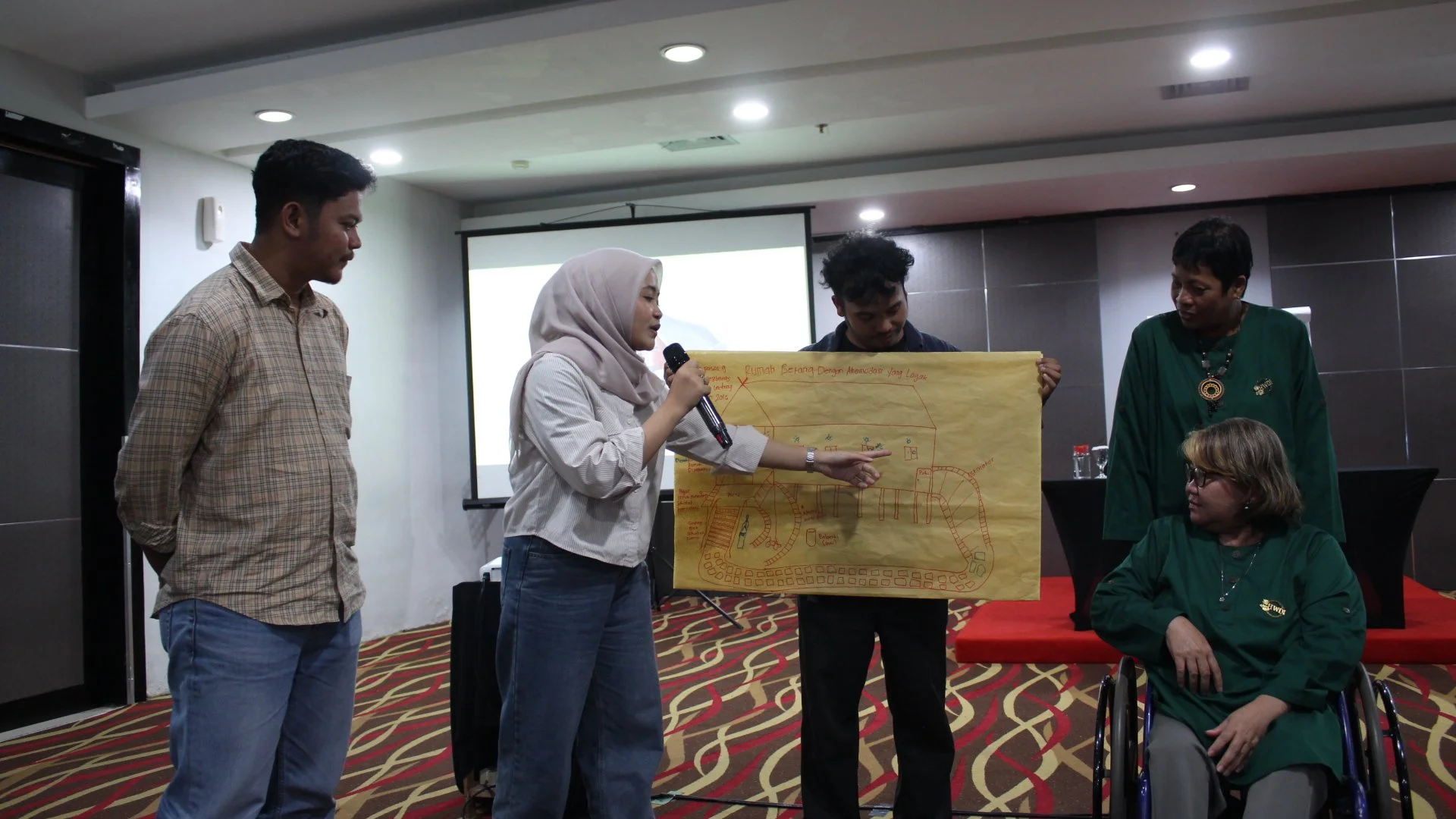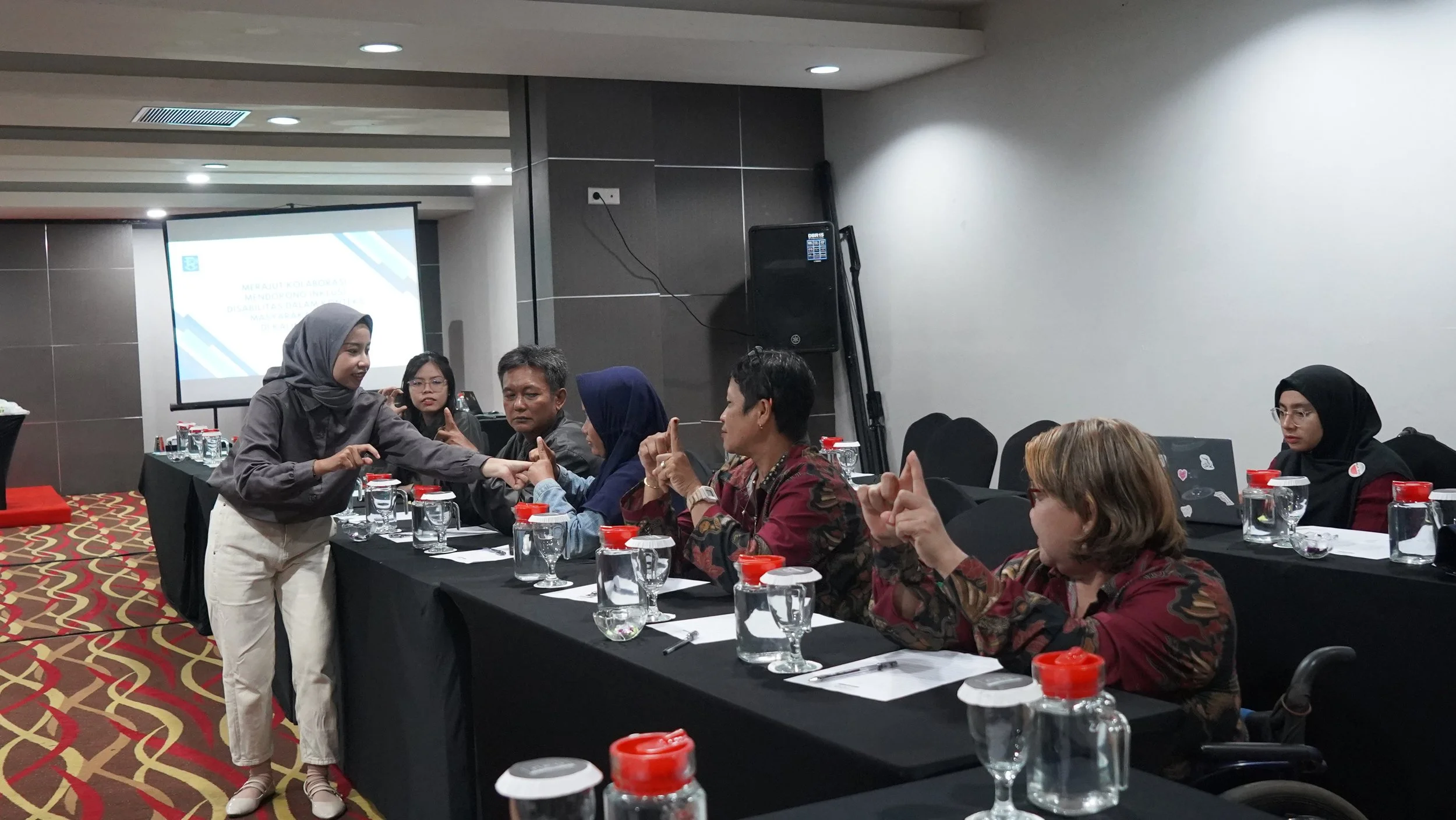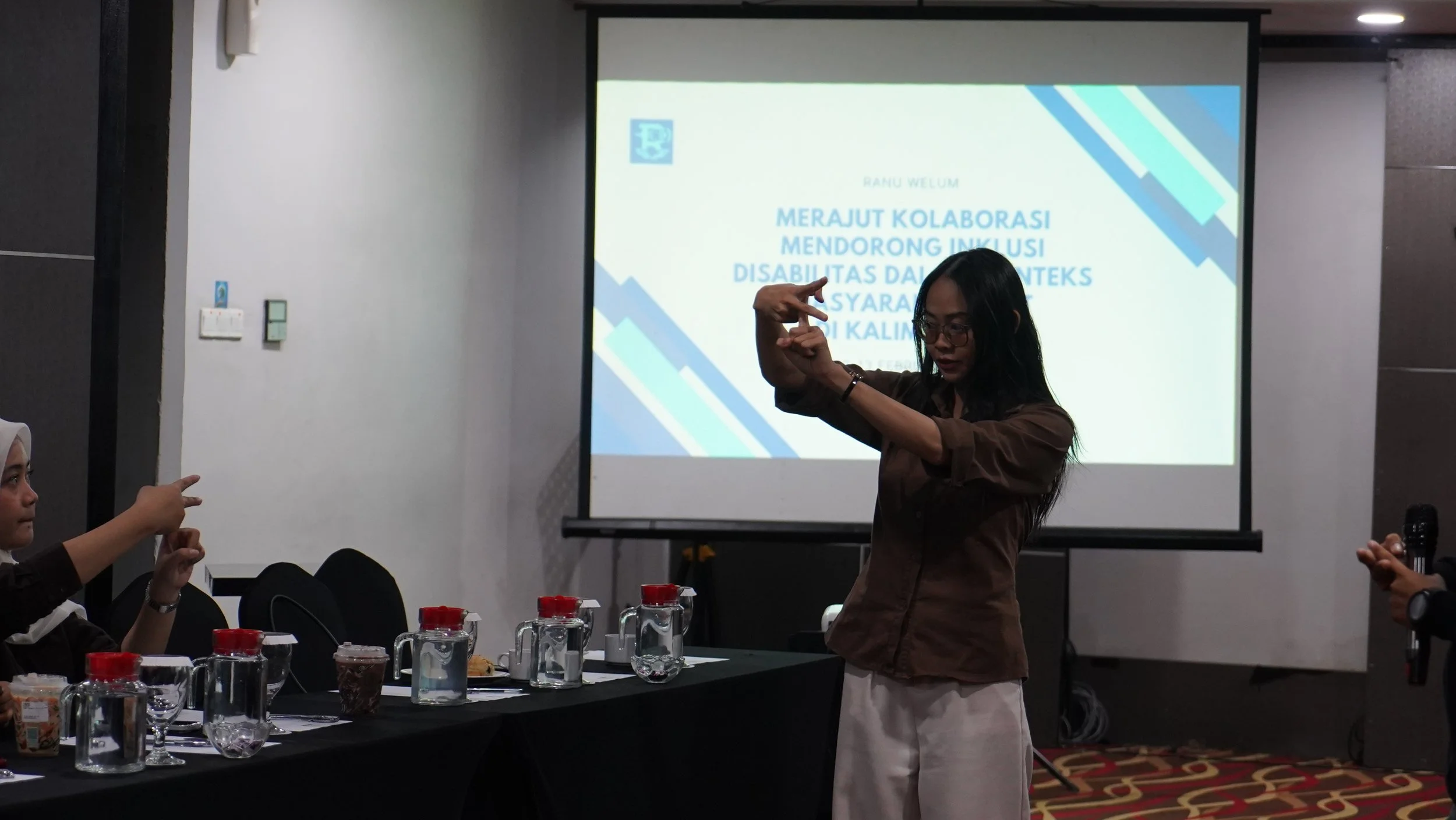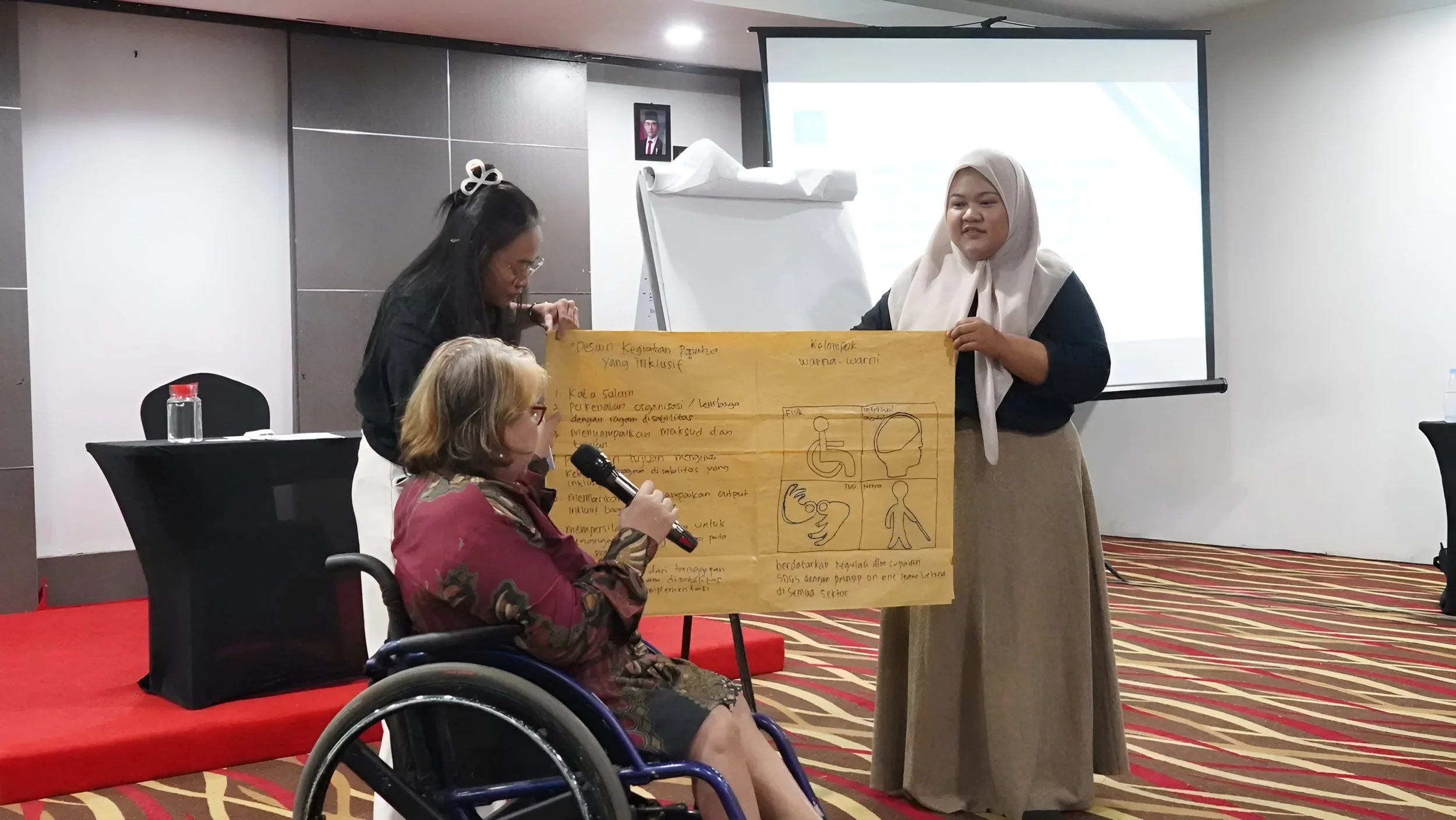
Palangka Raya, Central Kalimantan — The issue of disability inclusion often lags behind in development practices, including within Indigenous communities. On February 12–13, 2026, more than 25 participants from various organizations and professional backgrounds gathered at Hotel Neo Palma Palangka Raya for a forum titled “Navigating Local Wisdom in Creating Disability-Inclusive Climate Solutions with Indigenous Communities in Kalimantan.”
The event was organized by Ranu Welum Foundation, supported by Ford Foundation and the Ministry of Home Affairs (Kemendagri), focusing on strengthening disability inclusion within Indigenous communities. The forum served not only as a training platform, but also as a space to evaluate how far the aspirations of persons with disabilities have been genuinely implemented in policies and on-the-ground practices.
From Aspirations to Implementation
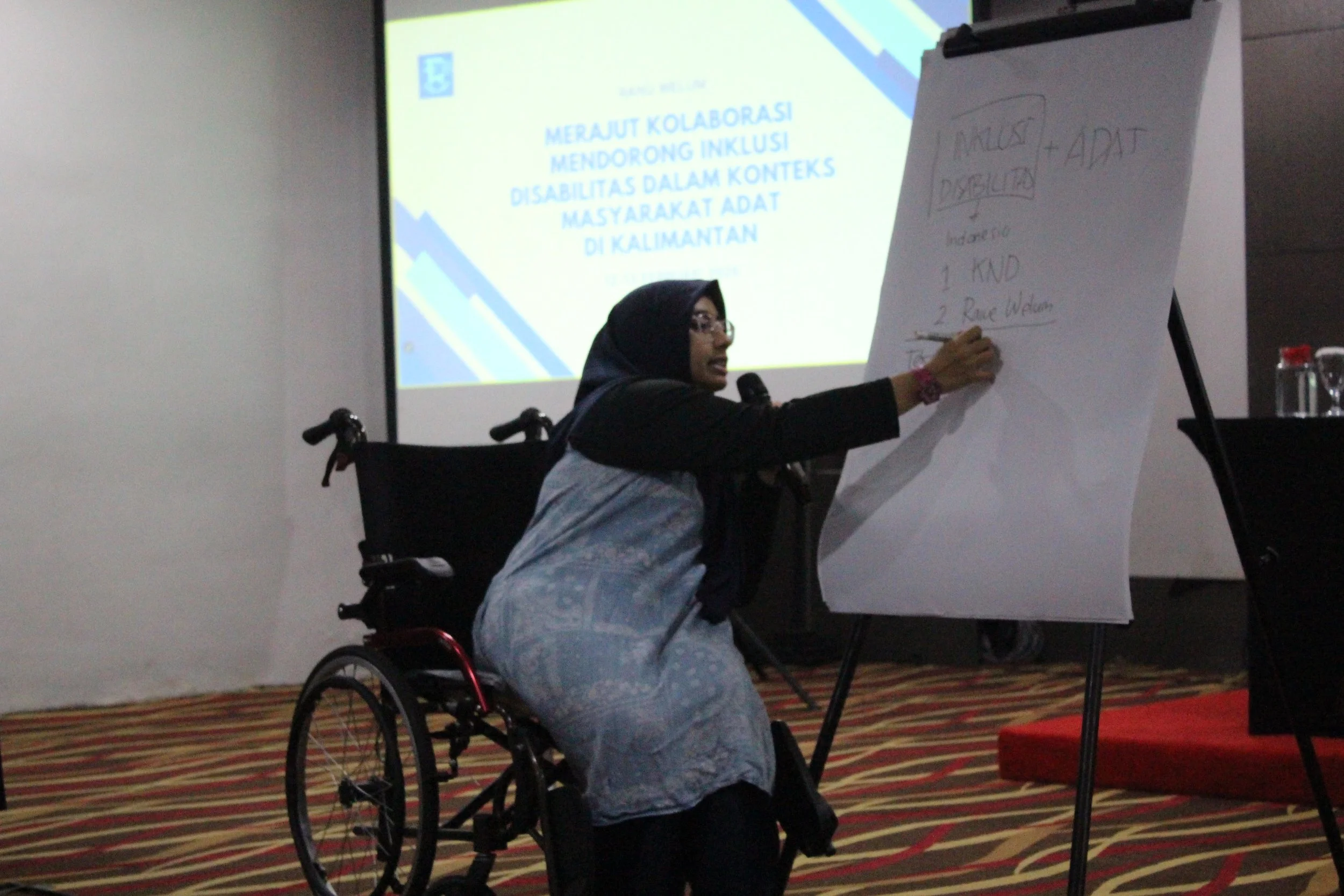
Roro Garini, Director of Ranuwelum Foundation, emphasized that disability issues are frequently discussed and included in work plans, yet their implementation is not comprehensively meaningful.
She stressed that the aspirations of persons with disabilities must not merely be recorded or placed on planning lists without concrete follow-up. According to her, the government holds the authority and resources to realize inclusive policies, while civil society organizations play a crucial role in advocacy and community assistance.
She also highlighted the gap between administrative commitments and field implementation. Many inclusion programs are documented in official plans but lack adequate budget allocations, clear technical regulations, or consistent oversight.
In regions such as Kalimantan, where many Indigenous communities have limited access to education, healthcare, and infrastructure, persons with disabilities face compounded challenges. Without policies that are genuinely executed, they remain vulnerable to multiple layers of marginalization.
Changing Perspectives
Aisyah Ardani, one of the facilitators, underscored that the challenge of inclusion is not solely about programs but also to society’s perspective on disability.
In several areas with limited access to information, negative stigma toward persons with disabilities persists. They are often perceived as burdens or sources of shame. Conversely, there is also excessive pity, positioning them as individuals who must always be protected and treated as unequal.
According to Aisyah, both approaches are misguided. Persons with disabilities should be recognized as part of human diversity, entitled to equal rights and opportunities.
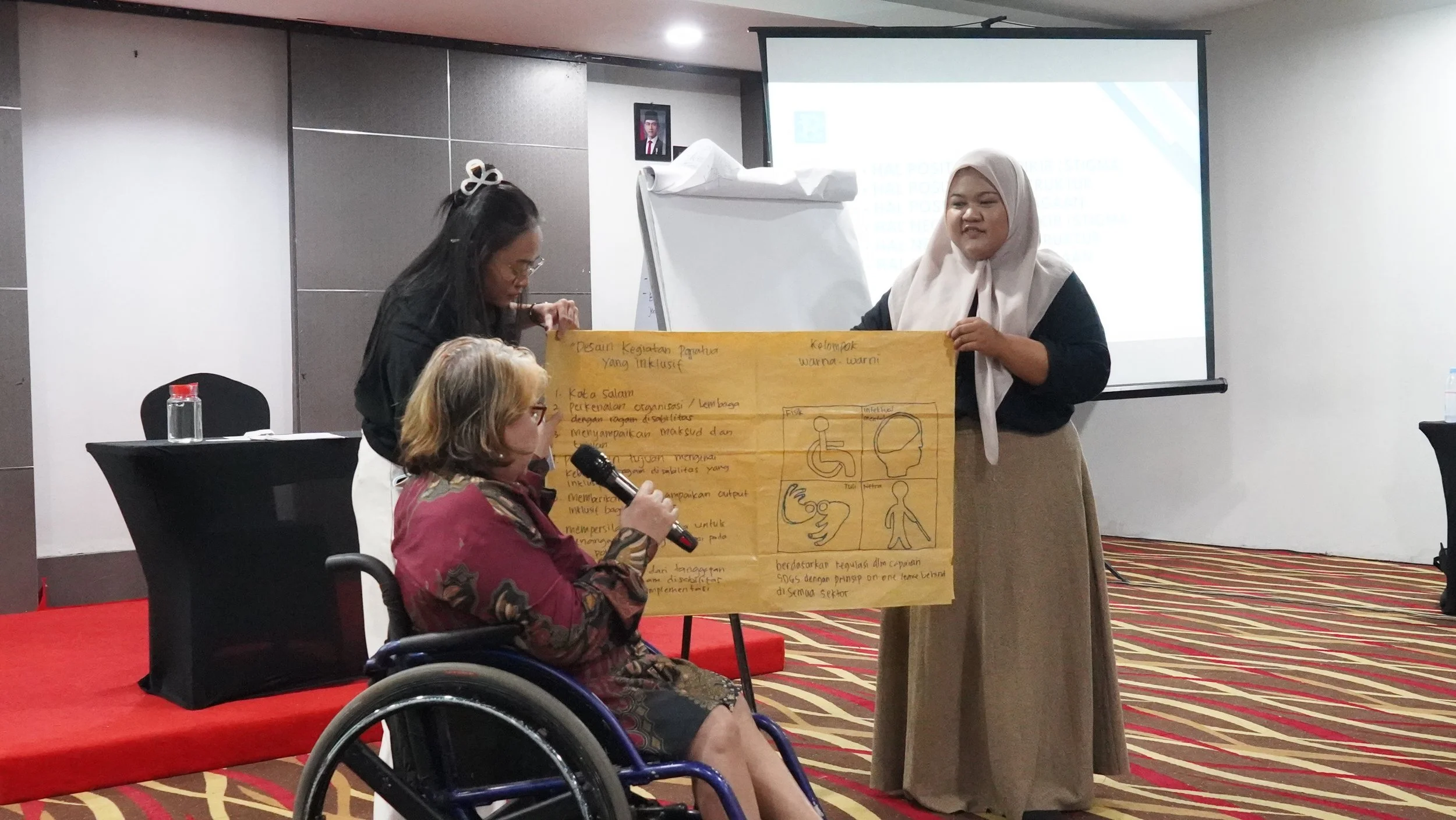
The training sessions covered CRPD, types of disabilities, advocacy and accessibility, basic sign language, as well as critical reflection on participants’ own attitudes toward disability. The goal was not only technical understanding but also a transformation in mindset.
Collaboration and Networks
Participants came from various regions, including South Kalimantan. Yanti from Borneo Urban Lab in Banjarmasin stated that the forum opened opportunities for field collaboration.
She expressed hope that Indigenous communities would actively involve persons with disabilities in traditional activities and decision-making processes, free from stigma or discriminatory treatment.
For her, inclusion means ensuring that persons with disabilities are present and able to participate in community deliberations, cultural events, and local development programs.
Follow-Up Actions
Ranu Welum Foundation described the training as the initial phase to facilitate facilitators. The strategy applied is a training-of-trainers model, equipping participants to become inclusion facilitators in their respective communities.
In addition, the organization is developing a disaster response model that is responsive to the needs of persons with disabilities in Indigenous areas. This is particularly important given that several regions in Kalimantan are prone to floods, forest fires, and other natural disasters.
In emergency situations, persons with disabilities often face barriers such as limited access to information, inaccessible evacuation facilities, and the absence of disaggregated data.
The model currently being designed is expected to serve as a reference for other regions with similar conditions.
Inclusion as a Shared Responsibility
This training reaffirmed that inclusion must go beyond policy documents and be translated into concrete action.
The meaningful involvement of persons with disabilities in customary processes, development planning, and access to public services serves as a benchmark for whether development truly reaches all members of society.
If their aspirations are merely documented without implementation, inequality will persist.
Through this forum, participants agreed that the next crucial step is ensuring that the plans developed are genuinely implemented within their respective communities.