Indigenous Communities and Persons with Disabilities Weave Collaboration for a More Inclusive South Kalimantan

Indigenous Communities and Persons with Disabilities Weave Collaboration for a More Inclusive South Kalimantan

Everyone has the right to feel safe, heard, and included in solutions during times of crisis. Yet in reality, many people still face barriers to participating equally — from limited access to information and non-inclusive communication methods to systems that do not yet fully understand diverse needs.

Amid the recurring threats of floods and forest fires in South Kalimantan, the need to build more equitable spaces for collaboration has become increasingly urgent. Driven by this spirit, more than 30 participants from Indigenous communities, persons with disabilities, civil society organizations, and various stakeholders gathered in Banjarbaru.

The gathering took place through the Weaving Collaboration Program: Promoting Disability Inclusion in the Context of Indigenous Communities in Kalimantan, held on 20–21 April 2026 by Ranu Welum Foundation together with Borneo Urban Lab and the National Commission on Disabilities of Indonesia, with support from the Ministry of Home Affairs of the Republic of Indonesia and Ford Foundation.

This event created a meeting space for groups that rarely sit in the same conversation, yet share a common goal: building communities that are safe, equal, and caring for one another.

Accessibility Simulation: Learning from Experience to Recognize Barriers

Participants represented a wide range of disabilities, including people with visual, hearing, intellectual, and physical disabilities, as well as parents of children with disabilities. Their presence made the forum more than just a discussion, as lived experiences and real needs were shared directly by those most affected.

In the session Understanding Disability from an Indigenous Perspective, participants explored how the values of mutual cooperation, respect, and solidarity within Indigenous communities can become the foundation for building more inclusive environments.

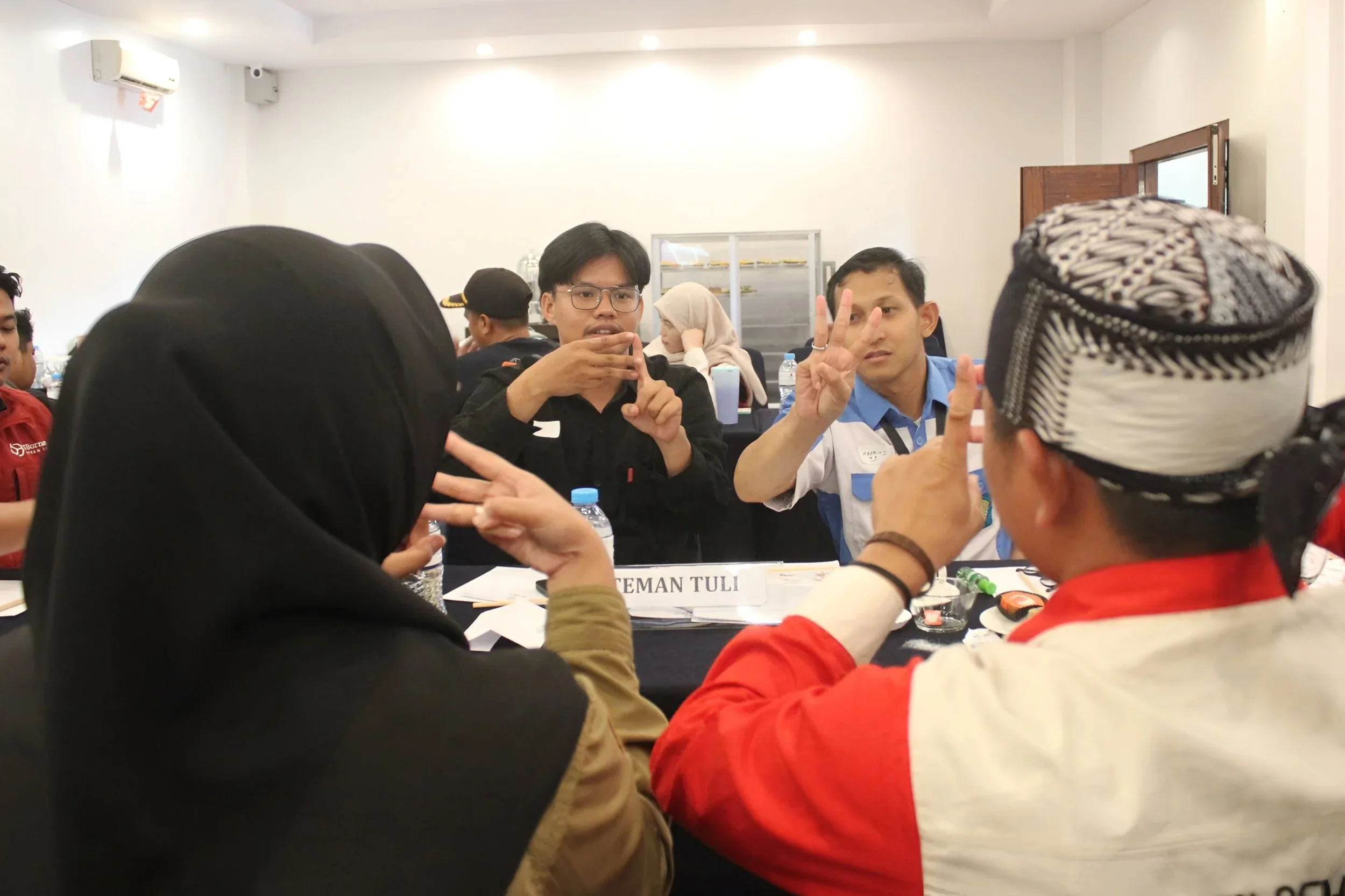
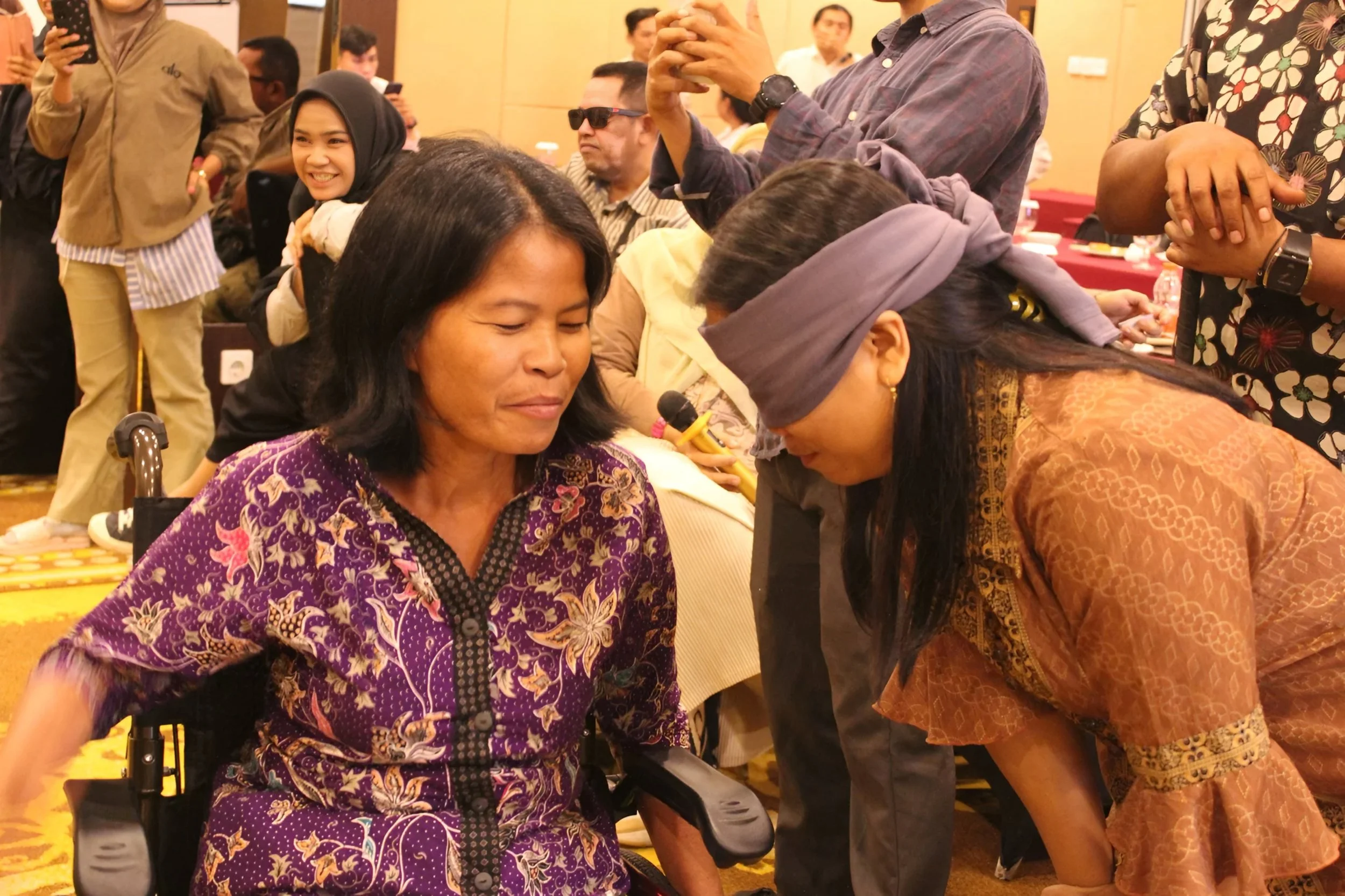
Through the Accessibility Simulation and Inclusive Observation session, participants were invited to directly experience barriers often faced by persons with disabilities. Some participants walked blindfolded, while others attempted to communicate without speaking or navigated spaces using wheelchairs while encountering obstacles.

This simple yet powerful experience raised awareness that barriers often do not lie within individuals themselves, but within environments, information systems, and structures that are not yet accessible to everyone.

Aisyah Wardani, one of the facilitators, emphasized the importance of having the courage to interact equally.

“When communicating with persons with disabilities, there is nothing wrong and no need to hesitate. They socialize just like everyone else. However, there are things we should pay attention to, for example, when communicating with Deaf friends, it is better not to wear a mask.”


Building Shared Solutions for Equal Access

The program continued with an Inclusive Walking Tour, where participants walked together around the surrounding area while identifying physical barriers, information access challenges, and social obstacles still faced by persons with disabilities in everyday life.

The findings were later discussed in the Mapping Barriers and Inclusive Disaster Risk Reduction (DRR) Solutions forum. During this session, participants reflected on recurring floods and forest fires that affect the region almost every year, including how some persons with disabilities still struggle to access information, assistance, and proper services during emergencies.

Rianor, Chairperson of PERTUNI South Kalimantan, highlighted the importance of involving persons with disabilities from the very beginning of the planning process.

“When we are involved from the start, the solutions developed become more accurate and truly respond to realities in the field.”

Meanwhile, Sahrani, representing an Indigenous community, shared that the activity became a valuable new experience.

“Indigenous communities were able to discuss directly with persons with disabilities and learn a great deal about the barriers they face. This will become an important lesson when we return to our communities.”

As a concrete outcome, participants developed a mapping of the situations, potentials, and vulnerabilities of persons with disabilities in the context of floods and forest fires in South Kalimantan. They also drafted initial recommendations and an inclusive Disaster Risk Reduction (DRR) protocol covering mitigation, early warning systems, evacuation procedures, and post-disaster recovery.

More than just a two-day event, the forum demonstrated that change begins with encounter and dialogue. When Indigenous communities, persons with disabilities, and various stakeholders are willing to sit together, listen to one another, and move in the same direction, a more inclusive South Kalimantan is no longer merely a hope, it is something being built together.

Indigenous Communities and Persons with Disabilities Develop an Inclusive Disaster Risk Reduction Approach in Central Kalimantan

Indigenous Communities and Persons with Disabilities Develop an Inclusive Disaster Risk Reduction Approach in Central Kalimantan

Persons with disabilities continue to face various barriers in daily life, ranging from access to information, public services, and participation spaces, to involvement in decision-making at the community level. In Indigenous community areas, these challenges are often compounded by limited services, a lack of inclusive approaches, and persistent social stigma.

On 15–16 April 2026 in Palangka Raya, the activity Sensitization of Indigenous Community Elders and Inclusive Disaster Risk Reduction in Central Kalimantan was organized by Ranu Welum Foundation in collaboration with the National Commission on Disability (KND), with support from the Ministry of Home Affairs of the Republic of Indonesia and Ford Foundation. More than 30 participants, consisting of Indigenous communities, persons with various disabilities, local communities, civil society organizations, government institutions, and stakeholders, gathered in Palangka Raya to strengthen shared understanding of disability rights and to build a more inclusive community-based approach.

This activity aimed to increase the awareness of Indigenous community leaders, civil society organizations, and stakeholders regarding the rights of persons with disabilities and the importance of inclusive approaches in social life as well as community governance. The forum became a shared space to identify the situations, challenges, and vulnerabilities faced by persons with disabilities in the context of ecological disasters, particularly forest fires and floods that frequently occur in Central Kalimantan.

Participants represented various types of disabilities, including physical, intellectual, deaf, blind, and psychosocial disabilities, as well as parents of children with disabilities. Their involvement ensured that the discussions were not merely about persons with disabilities, but truly involved their lived experiences, perspectives, and needs directly.

Devia (deaf) and Mr. Junaedy (a wheelchair user), from left to right, communicate using sign language. Mr. Junaedy tries to convey a message he received from a piece of paper to Devia through sign language. This activity was conducted to help participants understand the communication and information access challenges faced by persons with disabilities in their daily lives.

During the two-day activity, participants took part in various interactive and participatory sessions. The session Unpacking the Roots of Stigma and Discrimination became a shared reflection space on the social barriers still experienced by persons with disabilities at the community level. Participants also joined an Inclusive Walking Tour, a joint walking activity involving Indigenous communities, stakeholders, and participants with disabilities to map accessibility needs and build empathy for the daily experiences of vulnerable groups.

In addition, the Accessibility Simulation and Inclusive Observation activity was conducted through games involving participants with and without disabilities. In the simulation, non-disabled participants were blindfolded to experience the mobility challenges faced by persons with visual impairments, while others tried to communicate without sound to understand barriers to information access for the deaf community. This activity became a direct experience that strengthened awareness of the importance of accessible environments and equal communication.

Selong (a wheelchair user) and Matrianih (blindfolded), from left to right. Selong received information through sign language and tried to convey it verbally to Matrianih.

A participant representative from the Indigenous community, Sukma, Damang of the Indigenous Community of Pilang Village, stated that the activity opened a new perspective on the lived experiences of persons with disabilities.

“When I joined the simulation with my eyes covered and relied only on verbal directions, I felt how difficult it is to access information without proper support. I admire friends with disabilities even more. This activity opened my mind that everyone has strengths, and we need more inclusive ways of communicating,” Sukma, Damang of the Indigenous Community of Pilang Village.

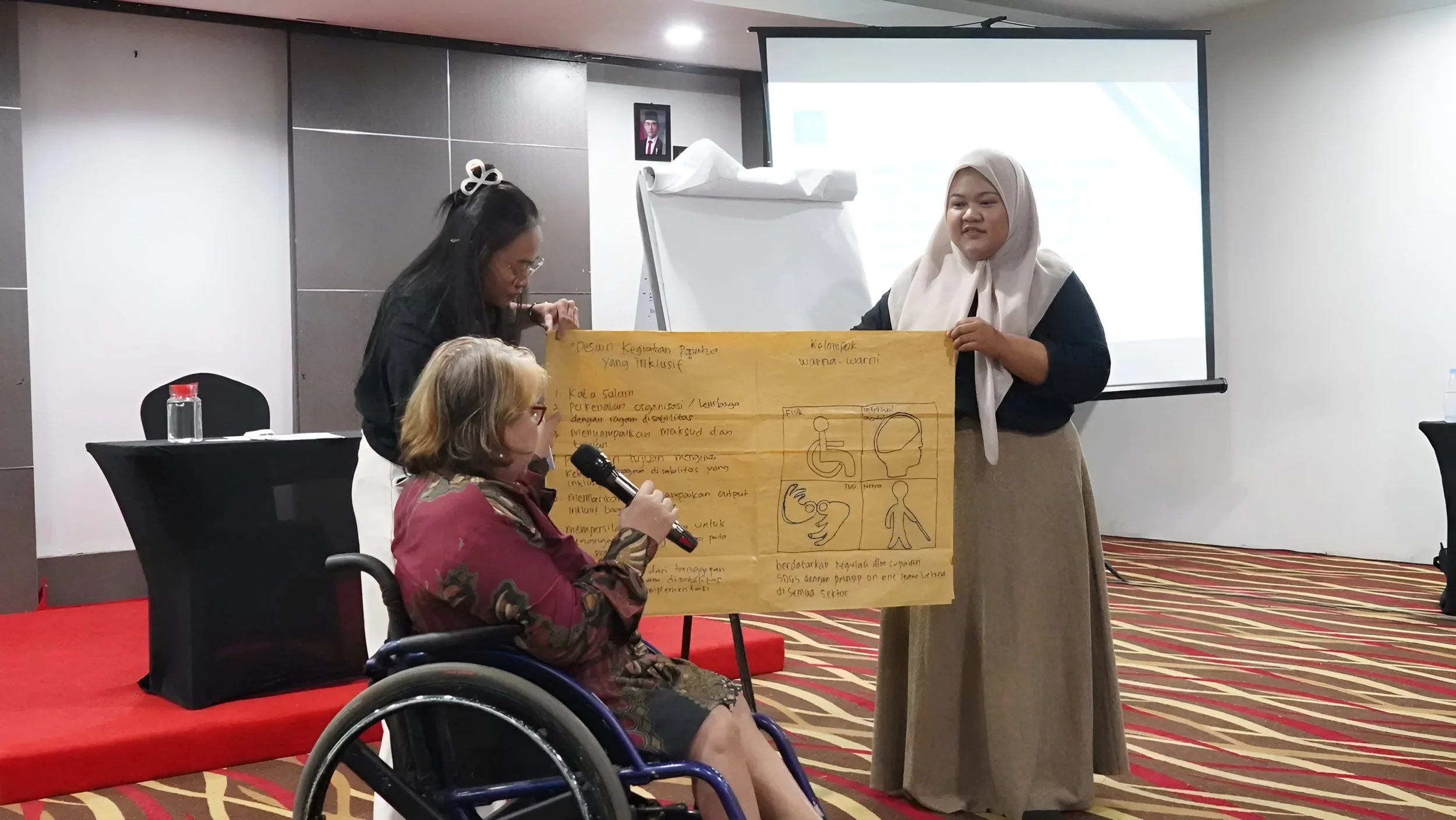
The discussion then continued through a Focus Group Discussion (FGD) to map problems, potentials, and good practices already carried out by Indigenous communities in protecting vulnerable groups. In this session, participants also discussed how to ensure the involvement of persons with disabilities in disaster risk reduction efforts from the planning stage through recovery.

Frans Jayanto, S.Hut., M.P., from the Central Kalimantan Provincial Disaster Management Agency (BPB-PK), stated that this activity is important to strengthen an inclusive perspective in disaster management.

“We realize that many groups are still left behind and not yet fully involved, especially friends with disabilities. This activity is an important space to meet directly, hear their experiences, and map needs before, during, and after disasters,” Frans Jayanto, D. Hut.,M.P.

The activity was also attended and officially opened by Dr. Dante Rigmalia, M.Pd., from the National Commission on Disability, who emphasized that the fulfillment of the rights of persons with disabilities must be integrated across all sectors, including preparedness, response, and disaster management efforts. In her presentation, Dr. Dante also highlighted the importance of understanding the 22 rights of persons with disabilities, 4 special rights for women with disabilities, and 7 special rights for children with disabilities.

As an initial outcome, the activity produced a mapping of the situation, potentials, and vulnerabilities of persons with disabilities in the context of forest fires and floods in Central Kalimantan. In addition, participants drafted initial recommendations or an inclusive Disaster Risk Reduction (DRR) protocol that considers mitigation aspects, early warning systems, evacuation, and post-disaster recovery.

The initial document is expected to become a shared foundation for local governments, Indigenous communities, organizations of persons with disabilities, and civil society institutions in building a disaster management system that is more just, responsive, and supportive of vulnerable groups.

This activity reaffirmed that an inclusive society begins with recognizing that everyone has the right to participate, be heard, and have equal access. The local knowledge of Indigenous communities and the lived experiences of persons with disabilities are essential parts of building a fairer and more resilient future for Kalimantan.

No Longer on the Waiting List: A Call to Immediately Implement Disability Inclusion

No Longer on the Waiting List: A Call to Immediately Implement Disability Inclusion

Palangka Raya, Central Kalimantan — The issue of disability inclusion often lags behind in development practices, including within Indigenous communities. On February 12–13, 2026, more than 25 participants from various organizations and professional backgrounds gathered at Hotel Neo Palma Palangka Raya for a forum titled “Navigating Local Wisdom in Creating Disability-Inclusive Climate Solutions with Indigenous Communities in Kalimantan.”

The event was organized by Ranu Welum Foundation, supported by Ford Foundation and the Ministry of Home Affairs (Kemendagri), focusing on strengthening disability inclusion within Indigenous communities. The forum served not only as a training platform,  but also as a space to evaluate how far the aspirations of persons with disabilities have been genuinely implemented in policies and on-the-ground practices.

From Aspirations to Implementation

Roro Garini, Director of Ranuwelum Foundation, emphasized that disability issues are frequently discussed and included in work plans, yet their implementation is not comprehensively meaningful.

She stressed that the aspirations of persons with disabilities must not merely be recorded or placed on planning lists without concrete follow-up. According to her, the government holds the authority and resources to realize inclusive policies, while civil society organizations play a crucial role in advocacy and community assistance.

She also highlighted the gap between administrative commitments and field implementation. Many inclusion programs are documented in official plans but lack adequate budget allocations, clear technical regulations, or consistent oversight.

In regions such as Kalimantan, where many Indigenous communities have limited access to education, healthcare, and infrastructure, persons with disabilities face compounded challenges. Without policies that are genuinely executed, they remain vulnerable to multiple layers of marginalization.

Changing Perspectives

Aisyah Ardani, one of the facilitators, underscored that the challenge of inclusion is not solely about programs but also to society’s perspective on disability.

In several areas with limited access to information, negative stigma toward persons with disabilities persists. They are often perceived as burdens or sources of shame. Conversely, there is also excessive pity, positioning them as individuals who must always be protected and treated as unequal.

According to Aisyah, both approaches are misguided. Persons with disabilities should be recognized as part of human diversity, entitled to equal rights and opportunities.

The training sessions covered CRPD, types of disabilities, advocacy and accessibility, basic sign language, as well as critical reflection on participants’ own attitudes toward disability. The goal was not only technical understanding but also a transformation in mindset.

Collaboration and Networks

Participants came from various regions, including South Kalimantan. Yanti from Borneo Urban Lab in Banjarmasin stated that the forum opened opportunities for field collaboration.

She expressed hope that Indigenous communities would actively involve persons with disabilities in traditional activities and decision-making processes, free from stigma or discriminatory treatment.

For her, inclusion means ensuring that persons with disabilities are present and able to participate in community deliberations, cultural events, and local development programs.

Follow-Up Actions

Ranu Welum Foundation described the training as the initial phase to facilitate facilitators. The strategy applied is a training-of-trainers model, equipping participants to become inclusion facilitators in their respective communities.

In addition, the organization is developing a disaster response model that is responsive to the needs of persons with disabilities in Indigenous areas. This is particularly important given that several regions in Kalimantan are prone to floods, forest fires, and other natural disasters.

In emergency situations, persons with disabilities often face barriers such as limited access to information, inaccessible evacuation facilities, and the absence of disaggregated data.

The model currently being designed is expected to serve as a reference for other regions with similar conditions.

Inclusion as a Shared Responsibility

This training reaffirmed that inclusion must go beyond policy documents and be translated into concrete action.

The meaningful involvement of persons with disabilities in customary processes, development planning, and access to public services serves as a benchmark for whether development truly reaches all members of society.

If their aspirations are merely documented without implementation, inequality will persist.

Through this forum, participants agreed that the next crucial step is ensuring that the plans developed are genuinely implemented within their respective communities.

PRESS RELEASE: RANU WELUM WON THE PRESTIGIOUS EQUATOR PRIZE!

Comment

PRESS RELEASE: RANU WELUM WON THE PRESTIGIOUS EQUATOR PRIZE!

The Ranu Welum Foundation is thrilled to announce that it has been awarded the distinguished Equator Prize 2025, a prestigious recognition granted by the United Nations Development Programme (UNDP) for outstanding community efforts that demonstrate and exemplify sustainable development. RWF is chosen as winner among the ten Equator Prize awardees of 2025, selected from more than 700 nominations spanning 103 countries.

Comment

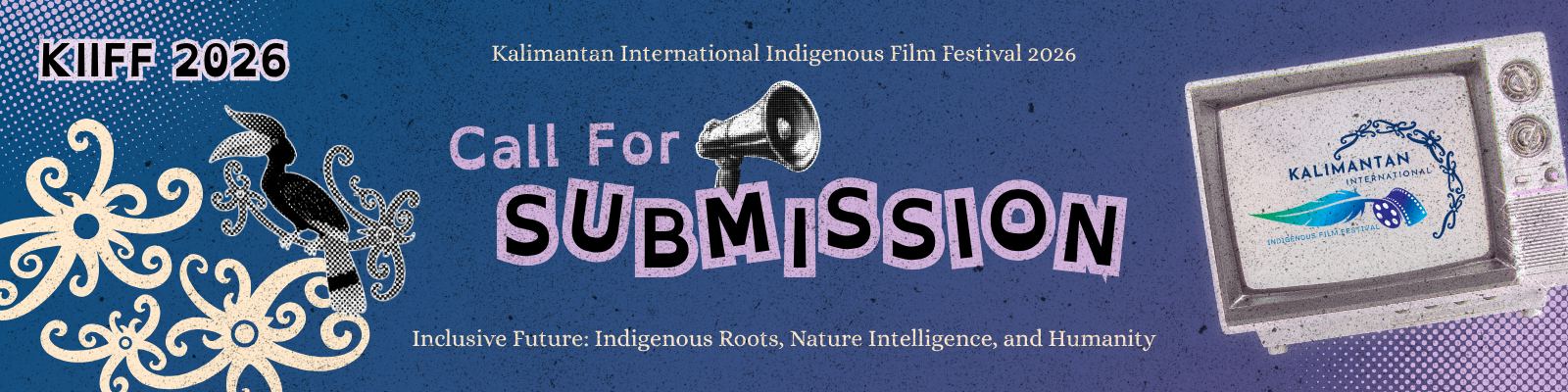
CALL FOR SUBMISSION - KIIFF 2025

Comment

CALL FOR SUBMISSION - KIIFF 2025

We are excited to announce that the 2025 Kalimantan International Indigenous Film Festival is officially accepting submissions! This year’s theme, "Preserving Indigenous Ecological Knowledge," underscores the invaluable wisdom that Indigenous communities have cultivated over centuries in harmony with nature. 

Comment

Haze Shelters as Sanctuary and Awareness Program About Pollution

Comment

Haze Shelters as Sanctuary and Awareness Program About Pollution

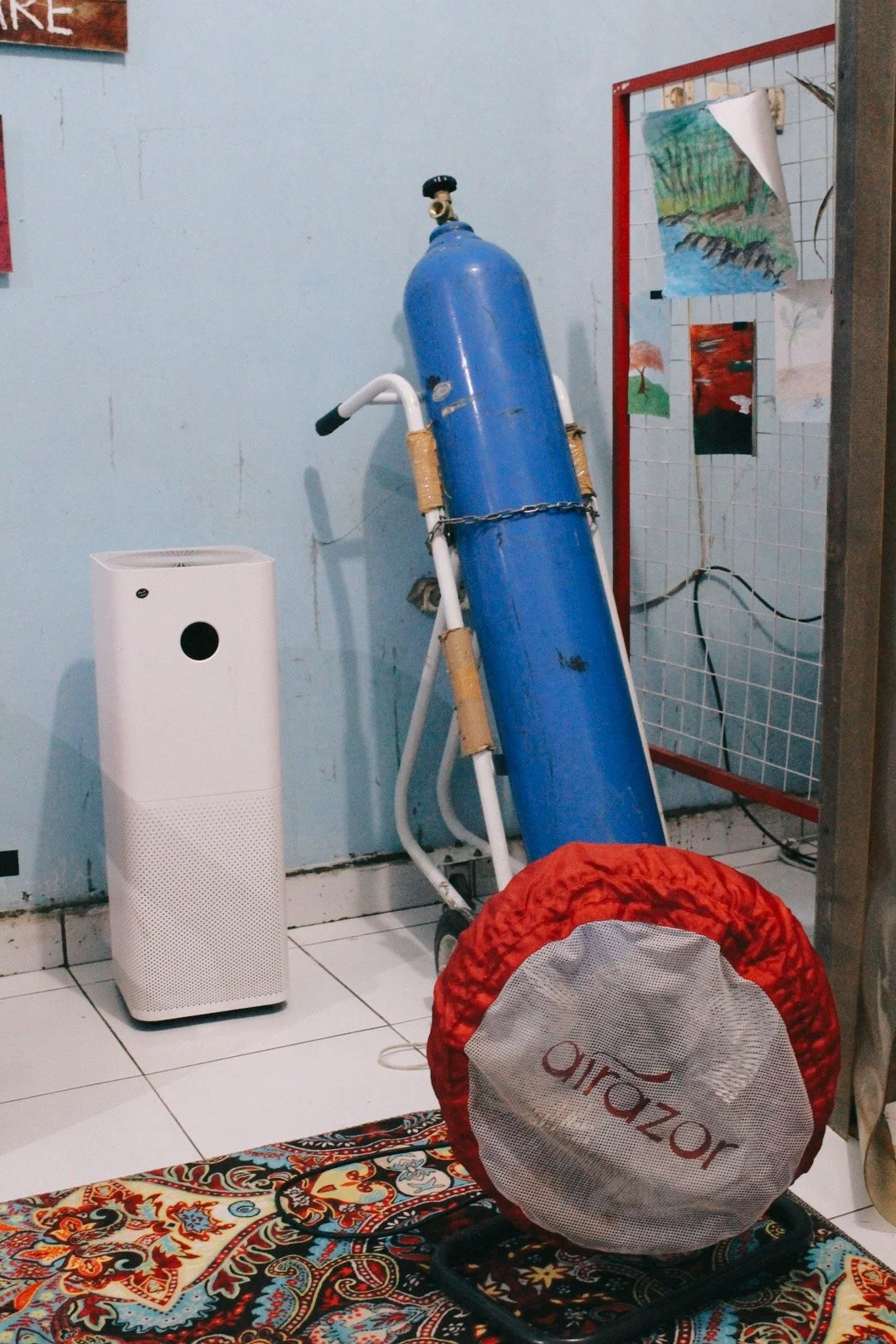
In the heart of Palangkaraya, where the haze from forest fires often grips the region, the Ranu Welum Foundation and Big Red Button Singapore have made a significant, life-saving contribution. The innovative concept of the haze shelter is to provide a clean, breathable environment using advanced air filtration systems. These systems reduce the particulate matter in the air especially PM 2,5, offering a respite from the dangerous haze that plagues the region during the dry season.

Comment

Training on Corruption Prevention in Peat and Forest Fire Management

Comment

Training on Corruption Prevention in Peat and Forest Fire Management

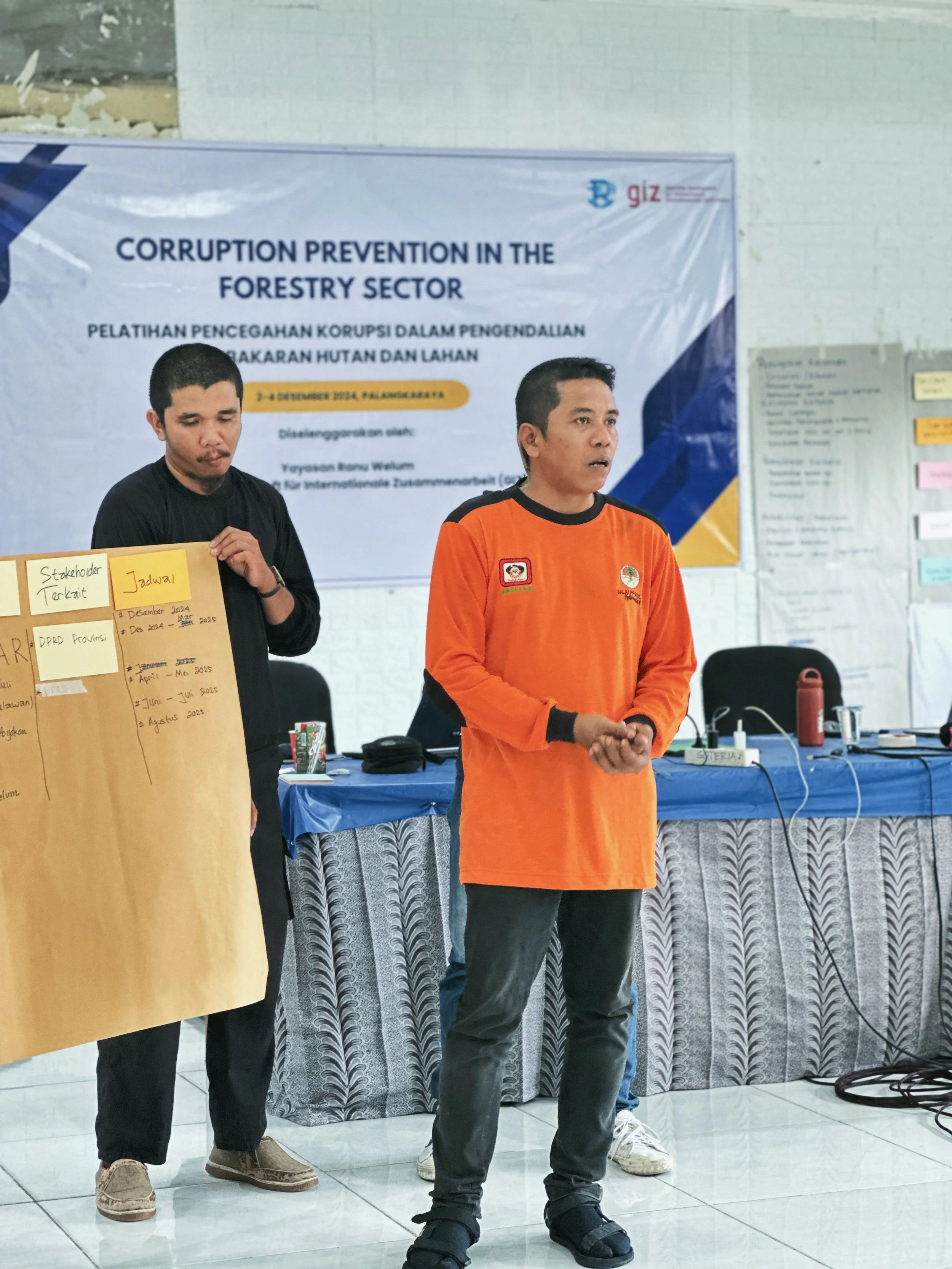
Organized by the Ranu Welum Foundation, with support from GIZ GmbH and in collaboration with the Anti-Corruption Commission of Indonesia under the Corruption Prevention in the Forestry Sector project, the event brought together an influential mix of 15 participants. The group included members from civil society organizations (CSOs), disaster volunteers, firefighters, activists, and environmentalists, each bringing unique perspectives and expertise.

Comment

Healthcare Outreach in Kalimantan Rural Areas

Comment

Healthcare Outreach in Kalimantan Rural Areas

In a significant stride towards enhancing healthcare access in rural areas, the Ranu Welum Foundation, with support from GIZ GmbH, recently organized an impactful medical service and health package delivery in Bundar village. This initiative falls under the Actions on Fire Management and Haze Protocols program, which aims to support communities affected by environmental and health challenges.

Comment

YOUTH PEATLAND STEWARDSHIP CAMP 2024

Comment

YOUTH PEATLAND STEWARDSHIP CAMP 2024

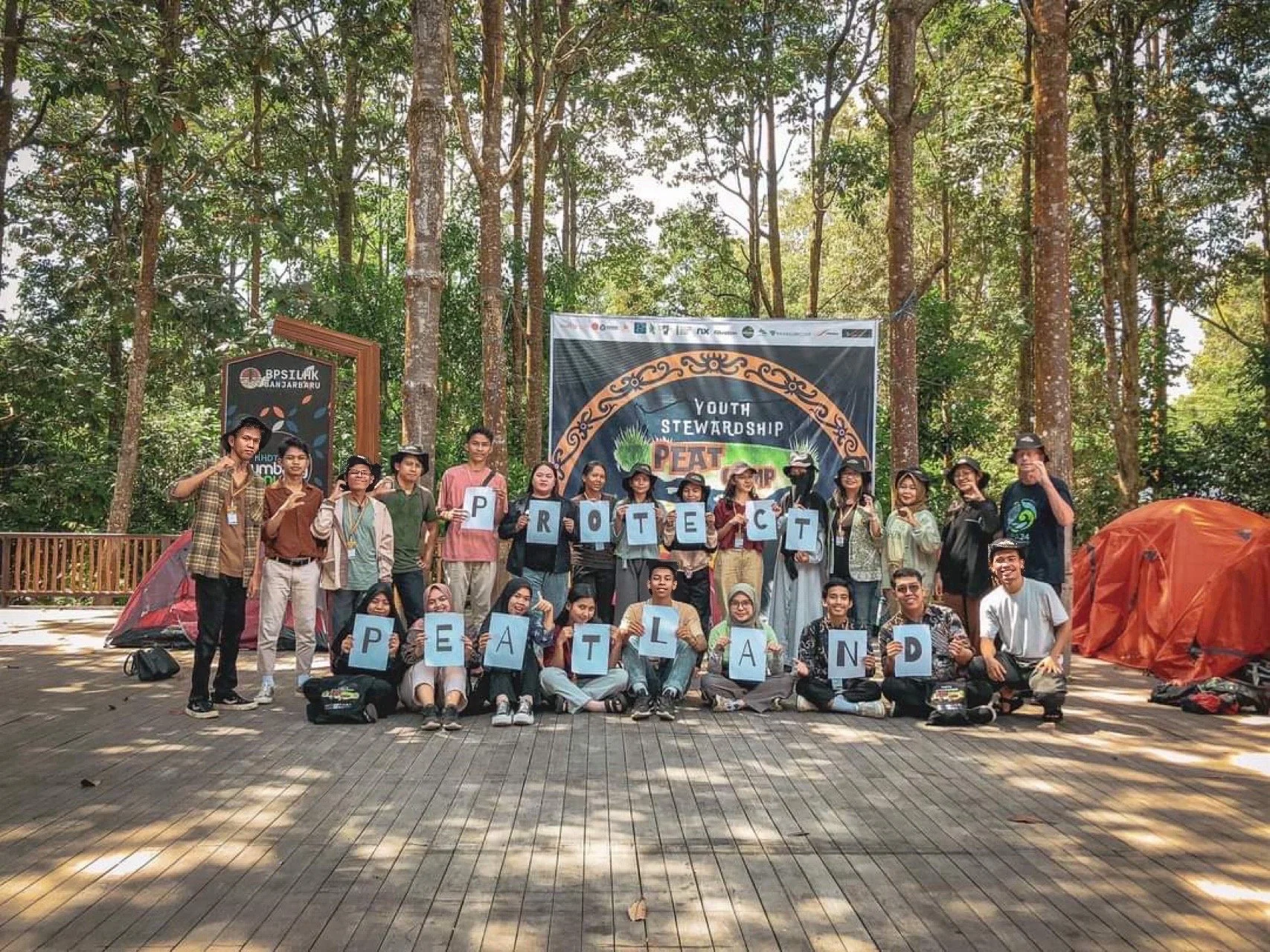
Located in the heart of Central Kalimantan, Indonesia, this camp focuses on educating youth about the critical role peatlands play in the global fight against climate change. This collaboration forms a robust platform that brings together 25 young minds from 15 different universities and communities, which also coming from various regions, fostering a shared vision of environmental stewardship.

Comment

GREEN EDUCATION THROUGH FILM SCREENING FOR STUDENTS

Comment

GREEN EDUCATION THROUGH FILM SCREENING FOR STUDENTS

One of the activities in The Heartland Project series is film screenings in schools, which are part of the Kalimantan International Indigenous Film Festival event. Some environmental-theme videos were screened to the students. They were very enthusiastic to discuss about the films and the future of Kalimantan.

Comment

OPEN APPLICATION DAYAK CREATOR FELLOWSHIP PROGRAM

Comment

OPEN APPLICATION DAYAK CREATOR FELLOWSHIP PROGRAM

Melalui DAYAK CREATOR FELLOWSHIP PROGRAM ini, pemuda adat dapat meningkatkan kreativitas, berinovasi dan bertransformasi dari seorang digital viewer menjadidigital creator, dan menciptakan konten yang dapat membantu mempersiapkan generasi mendatang untuk memahami pentingnya pengetahuan masyarakat adat bagi kesehatan bumi, dan menumbuhkan rasa bangga terhadap identitas mereka sebagai generasi muda masyarakat adat.

Comment

 FLAIR AND BEHAVE’S SUPPORT FOR PEATLAND ECOLOGY CENTER

Comment

 FLAIR AND BEHAVE’S SUPPORT FOR PEATLAND ECOLOGY CENTER

Flair and Behave's generous donation was instrumental in making this project a reality, allowing the youth to make a tangible impact on the environment and inspire others to follow in their footsteps. It serves as a shining example of how collaboration between businesses and local communities can lead to meaningful and lasting change for the betterment of our planet.

Comment

CALL FOR SUBMISSION - KIFF2024

Comment

CALL FOR SUBMISSION - KIFF2024

Join us for the Kalimantan International Indigenous Film Festival (KIIFF) 2023, a celebration of indigenous culture and identity through the power of films. Submit your film today and be a part of this global showcase of indigenous storytelling. 📣 New Deadline: May 31 202


Comment

COLLABORATION WITH KSR PMI UNIVERSITY OF PALANGKARAYA & 100BON

Comment

COLLABORATION WITH KSR PMI UNIVERSITY OF PALANGKARAYA & 100BON

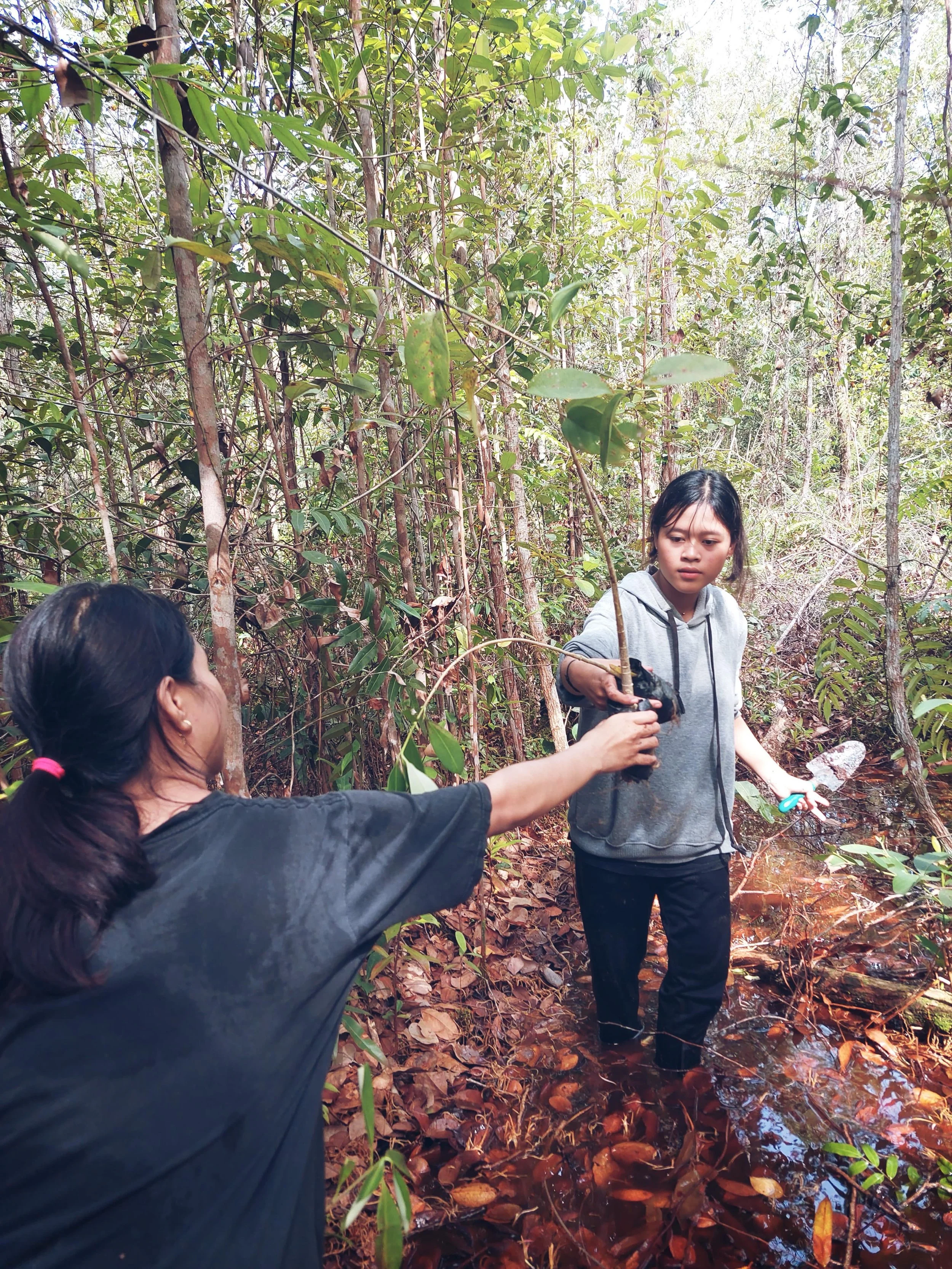
Youth Act Kalimantan, a youth movement under Ranu Welum Foundation, in collaboration with KSR PMI UPR, undertook a momentous tree planting activity that was met with resounding success. Over the course of three consecutive days in April 2024, the dedicated volunteers planted a total of 1,100 trees in the degraded land of Central Kalimantan.

Comment

63 Species in South Barito are protected

Comment

63 Species in South Barito are protected

From the elusive pangolin to the magnificent sun bear, from the traditional herb plant Kancip Fatima Labisia pumila to the endangered pitcher plant Nephentes khasiana, these protected species are now removed from immediate harm as we were able to secure the forest.

Comment